Moringa: 5 Powerful Advantages Behind Its Explosive Global Growth
India’s Green Superfood with Global Potential
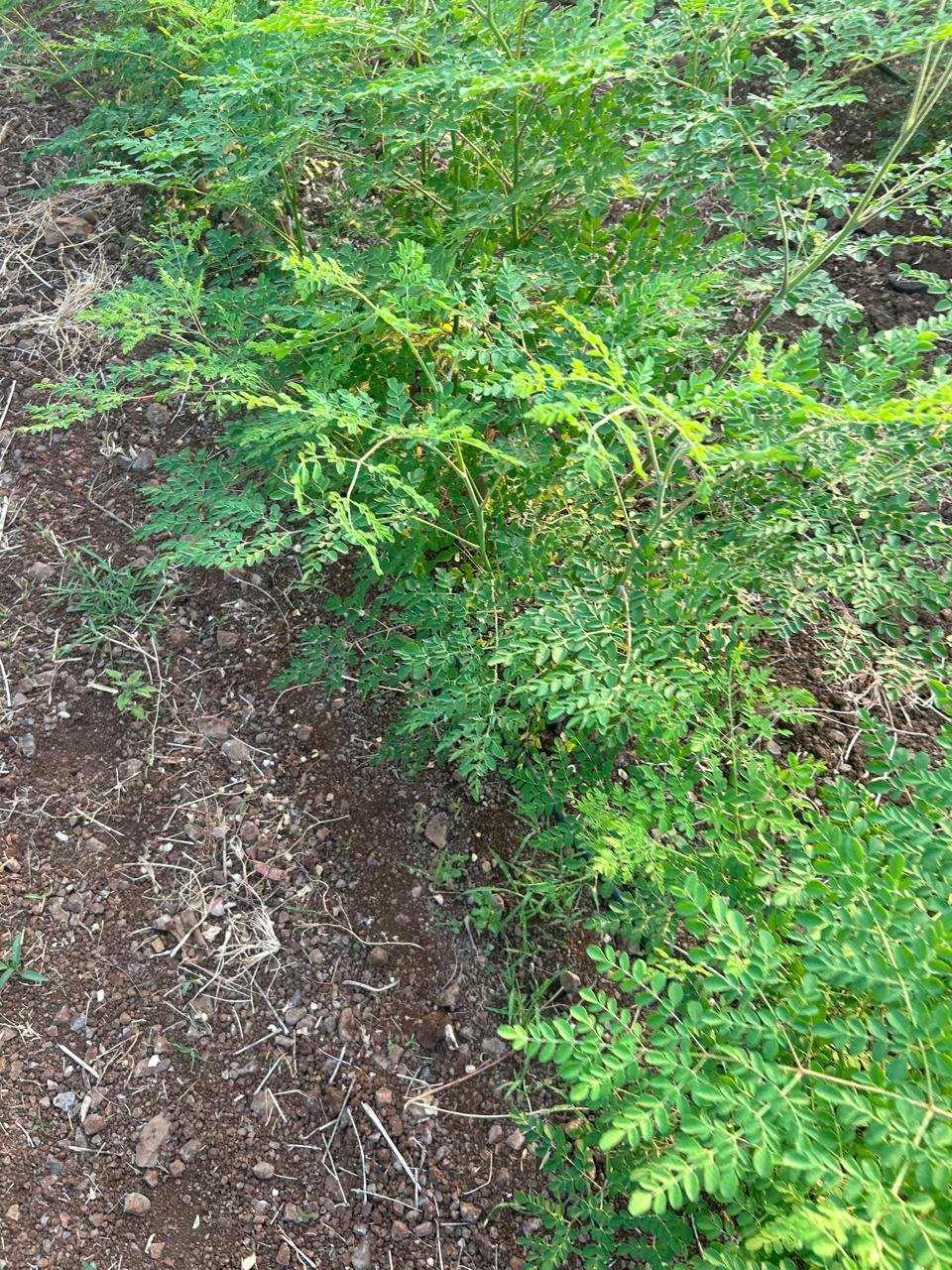
There is a quiet green tree growing across the warm regions of India, yet its story now reaches kitchens, laboratories, farms, factories, and international markets world today. Known as Moringa oleifera, the tree has been valued in traditional food practices for generations. Today, moringa powder is increasingly used in nutrition products, functional foods, supplements, animal feed, and wellness formulations.
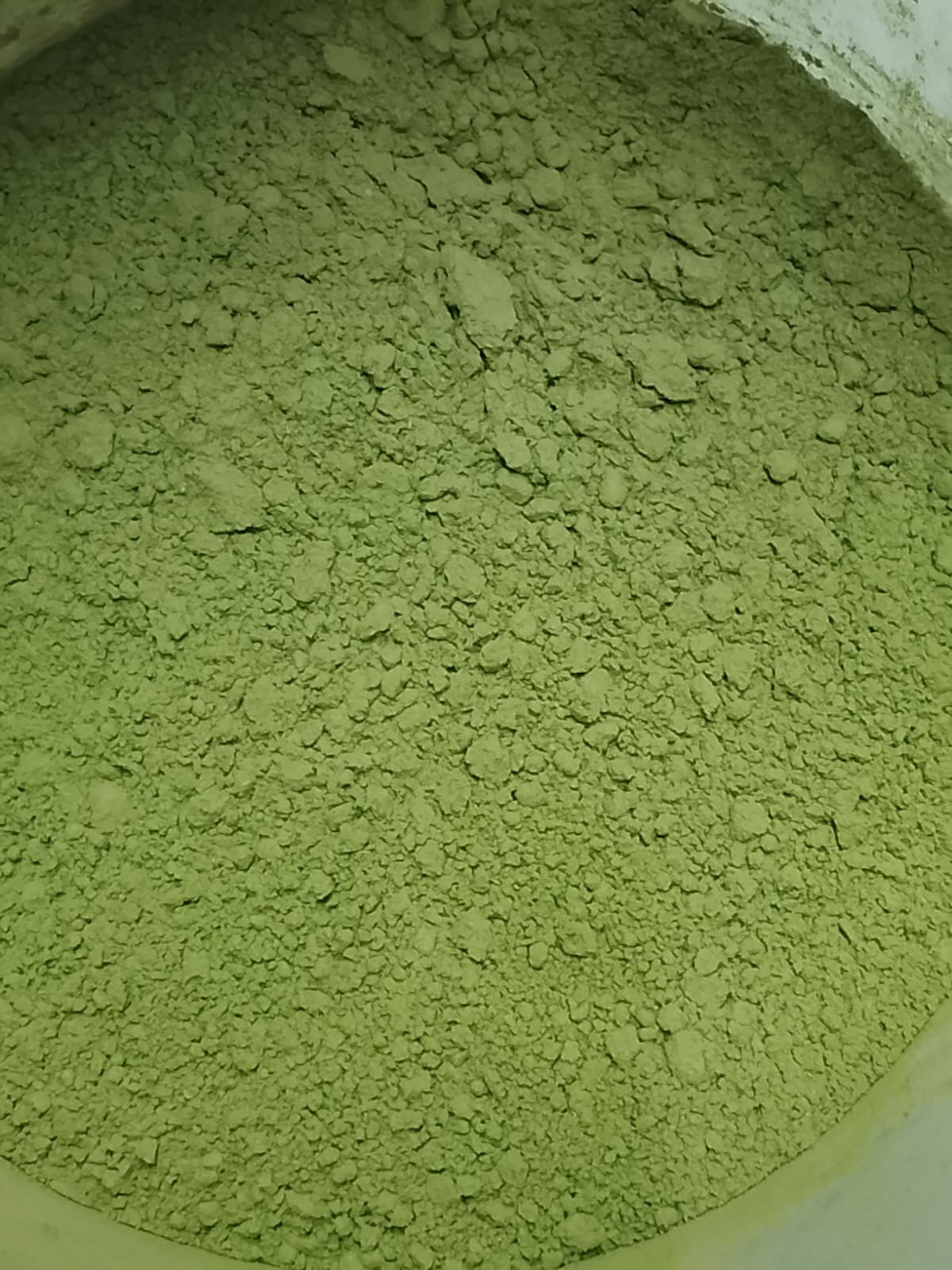
The story of the moringa leaf begins with the leaf itself. Fresh leaves contain protein, essential amino acids, vitamins, minerals, flavonoids, phenolic compounds, and other naturally occurring plant substances. When carefully cleaned, dried, and milled, they become a convenient green moringa ingredient that can travel across borders while retaining much of the nutritional character of the original leaf.
That does not make moringa a miracle cure. Scientific reviews have identified antioxidant activity and several other biological properties, but human clinical evidence remains developing. The more responsible story is therefore about a nutrient-rich botanical ingredient with broad potential.
Moringa Benefits for Men
For men, moringa is gaining attention primarily as a nutrient-dense addition to a balanced diet. Its leaves provide plant protein, micronutrients, and antioxidant compounds that can complement everyday nutrition. Laboratory and animal studies have investigated possible effects on metabolic health and reproductive tissues, while limited human research has explored areas such as blood glucose and lipid parameters.
These findings are interesting, but they should not become promises that moringa treats infertility, diabetes, or another medical condition. In practical terms, the benefits for men are best understood through nutrition: adding a moringa ingredient containing useful nutrients to an otherwise varied dietary pattern.
Moringa Benefits for Women
The story continues in women’s nutrition. Moringa leaves provide protein, minerals, vitamins, and phytochemicals that have attracted researchers studying functional foods and antioxidant activity. For women seeking nutrient-dense plant foods, the ingredient can fit within a varied and balanced diet.
However, responsible communication matters. Benefits for women should not be presented as guaranteed treatment for hormonal disorders, pregnancy complications, or other medical conditions. For commercial products, dosage, product quality, contamination control, and applicable food regulations remain essential considerations.
From Human Nutrition to Animal Feed
Then the story takes an unexpected turn: moringa moves into animal nutrition. Researchers have studied moringa leaves and leaf meal as alternative protein-rich feed ingredients for cattle, goats, poultry, rabbits, and other livestock.
For poultry producers, the ingredient is particularly interesting because the industry continues to investigate natural feed materials and alternatives to conventional growth-promoting approaches. Scientific reviews have examined leaf meal and extracts in broiler and laying-hen diets, considering growth, feed utilisation, egg production, and health indicators.
The International Opportunity
As consumers search for plant-based, functional, and naturally sourced ingredients, international demand continues developing across food, nutraceutical, cosmetic, and animal-nutrition applications. India has a strong foundation for this opportunity because of its agricultural diversity and established organic-production ecosystem.
APEDA reports that India’s NPOP-certified organic exports reached approximately 368,155 tonnes, valued at about ₹5,394 crore, during 2024–25. These figures represent organic products broadly rather than moringa specifically, but they demonstrate the scale of India’s established organic trade infrastructure. The United States and European Union were among major destinations.
For an international buyer, however, a green colour alone is never enough. Consistent colour, moisture control, microbiological safety, pesticide-residue compliance, traceability, packaging, and documentation can determine whether an ingredient is suitable for an overseas supply chain.
India’s NPOP framework provides standards for organic production, certification, and traceability. APEDA’s TraceNet system supports process certification and supply-chain records for compliant organic exports. Buyers seeking certified organic material can therefore look beyond marketing claims and examine the documentation supporting a shipment.
The Role of a Reliable Supplier
This is where an Indian supplier becomes part of the larger story. A professional moringa exporter should not simply place bags of green powder on a pallet and call the journey complete. International trade requires consistency, specifications, testing, traceability, packaging, documentation, logistics, and clear communication.
For buyers, these details can turn a traditional Indian ingredient into a commercially reliable product. A serious supplier should understand that every destination may have different requirements, and every batch represents another opportunity to build confidence.
From a small green leaf to an international ingredient, the journey is remarkable. Moringa powder can move from farms to processing facilities, laboratories, warehouses, ports, and finally into products used by consumers and animals around the world.
The future should not depend on exaggerated health promises. It should rest on scientific validation, responsible processing, transparent sourcing, appropriate testing, and honest communication. That is where the real global potential lies.
For India, the opportunity is substantial: combine agricultural knowledge with modern processing, reliable quality systems, and disciplined export practices. For international buyers, the reward is access to a versatile botanical ingredient backed by a supply chain that can be evaluated, documented, and improved.
The green leaf began as a traditional food. Its next chapter is being written through science, responsible commerce, and international collaboration.